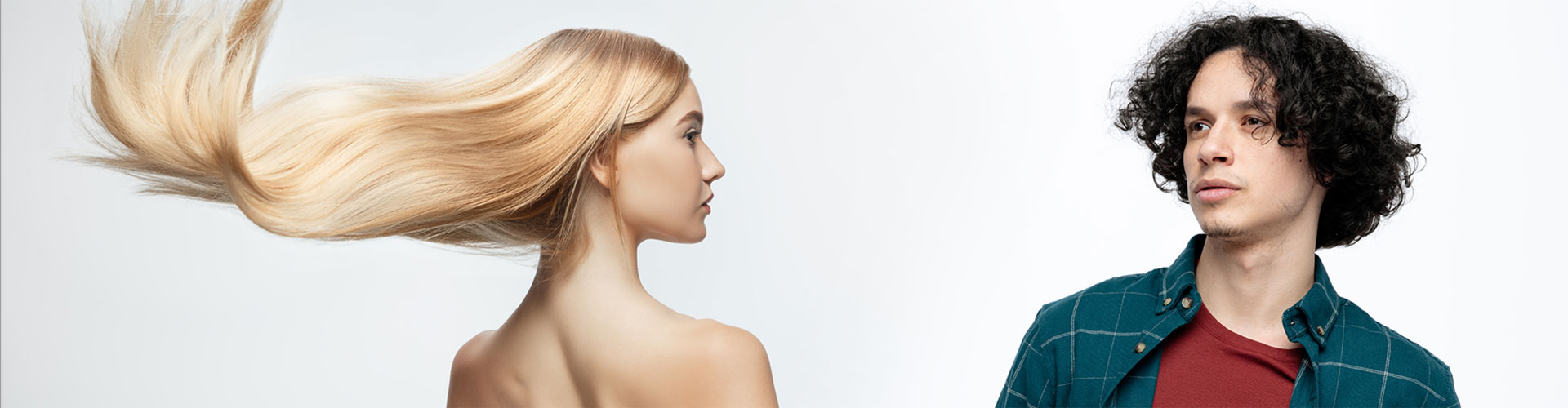
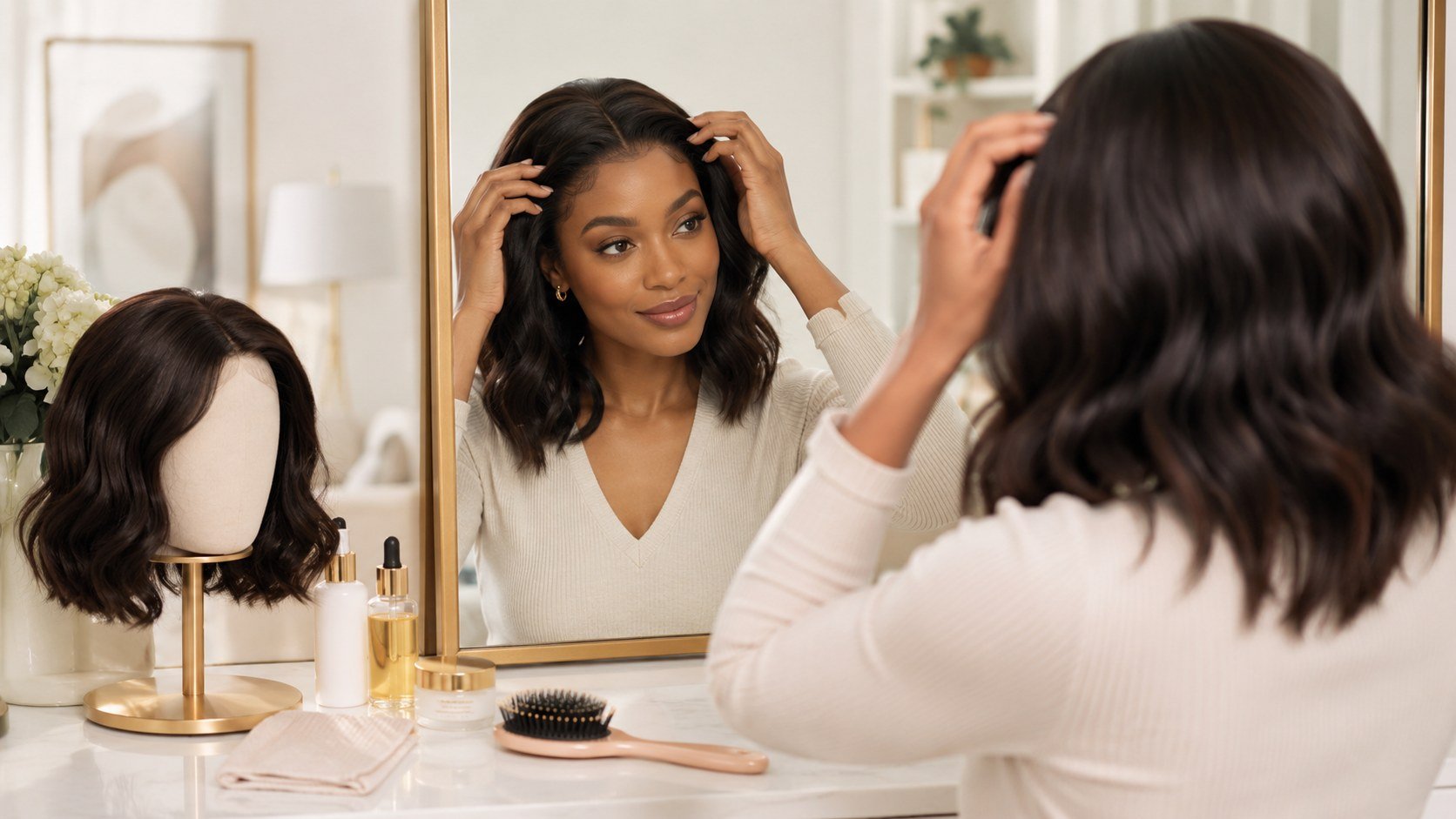
A good hairpiece will fit close to the head, move naturally, maintain a neat hairline and make daily styling easy. Once it begins shedding, tangling, lifting off the edges, or looking dry in sunlight, replacement might not necessarily be the best option available.
The repair of a hairpiece is the process through which one repairs a used-up hairpiece where the base, density, coloring, or the attaching area still has some useful life left in it. This might be a lace hairpiece that has been damaged slightly, or a skin base hairpiece with some build up of glue on it, or a mono base toupee with fading density levels.
Daily wear is hard on any hair replacement system. Adhesive sits against the base. Tape pulls at the edge. Sweat, heat, shampoo, brushing, sleeping, and styling products all leave marks over time. Even high-quality human hair needs careful care because it no longer receives natural oils from the scalp.
Small problems also spread. A tiny hole in lace can become a larger tear if brushed while wet. Loose knots near the front hairline can create patchy density in the most visible area. PU edges that are not cleaned well may feel sticky, stiff, or uneven against the skin. Professional hairpiece repair can bring back comfort, shape, density, and a cleaner finish, especially for daily wearers.
A hairpiece usually shows warning signs before it becomes unusable. The earlier these signs are checked, the better the result.
Hairpiece shedding is one of the more frequent problems that need repair. A couple of shedding hairs after washing or combing is not uncommon; however, any thinning at the crown area, the part, or along the natural hairline should be inspected. Shedding in a lace or mono base can occur due to knots that are not tight, aggressive combing, residual adhesives, or vigorous washing.
Base damage changes how a hair system sits on the head. Lace may tear around the front or sides. Skin bases can become dry, cracked, or stretched after repeated adhesive removal. Mono materials are usually more stable, but they can still weaken after long wear. Lace hair system repair, PU skin hairpiece repair, and mono base toupee repair each need a different method.
Hairpiece tangling often starts at the ends or nape. Dry human hair may look dull, puffy, or hard to style. If the hair is still strong, deep conditioning, color refresh, trimming, or restyling may help restore softness. If the fiber has become brittle from heat, bleach, or harsh shampoo, repair may improve the look but not fully reverse the damage.
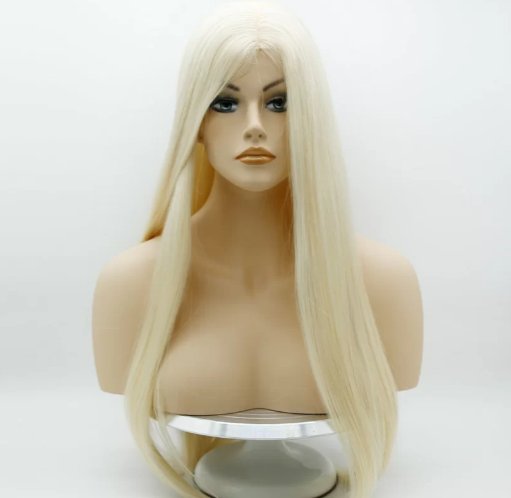
The best repair plan starts with inspection. A technician checks the base, hair direction, density, hairline, color, curl pattern, and attachment area. The goal is not to make the hairpiece look “new” in a fake way. It should look like a well-kept, natural hair replacement that fits the wearer’s age, face shape, lifestyle, and original style.
Hairpiece ventilation adds hair into the base by hand. It may be used for thin spots, weak hairlines, or areas where density has dropped after months of wear. The repair must match hair color, curl, direction, and density. Too much hair can look heavy at the front. Too little will not solve the problem. A balanced repair keeps the system believable.
Base type | Common issue | Repair focus |
Lace | Small tears, loose knots, frayed front | Patch, re-knot, clean gently |
Skin or PU | Edge lifting, glue buildup, cracking | Clean, smooth, reinforce, replace if brittle |
Mono | Thin density, worn area, shape change | Add hair, strengthen weak spots |
Silk top | Part line wear, density loss | Restore parting area and direction |
Lace is chosen for breathability and a natural hairline. Skin bases are easy to attach and can give a close scalp look. Mono bases suit wearers who want a stronger structure. Silk top designs help create a soft, scalp-like parting.
The front hairline is where repair work is judged first. If it looks thick, straight, or dark at the knots, the whole piece may look less natural. A careful hairline refresh may include light density correction, knot work, trimming, or styling. Color correction can also help when a hairpiece has faded and no longer matches the wearer’s natural hair, eyebrows, or beard.
Repair is worth considering when the damage is local, the base still holds its shape, and the wearer likes the current fit. Replacement makes more sense when the base has become fragile, the density is low across most of the piece, or the size no longer sits well on the scalp.
For buyers, salons, and wholesalers, the decision often comes down to time, consistency, and future orders. A repaired piece may serve as a backup system, while a new stock hair replacement system can solve urgent needs. A custom hair replacement can match base design, length, color, grey percentage, wave, and density. When a customer has a favorite old hairpiece that cannot be found again, a copy system made from the sample can keep the familiar fit and look.
A simple rule helps:
· Repair small tears, light shedding, edge problems, and limited density loss.
· Replace systems with severe base breakdown, heavy hair loss, or repeated fit problems.
· Copy the old piece when the style is right but the condition is past repair.
When a hairpiece cannot be restored well, the replacement should solve the problem that caused the old system to fail. A daily wearer in a hot climate may prefer a breathable lace base. Someone who wants easier adhesive cleanup may prefer a skin or PU area. A wearer who needs stronger support may choose mono. Women dealing with top thinning may need a topper, silk top, integration base, or full wig depending on coverage.
For men’s toupees, lace, skin, mono, and mixed-base systems cover different needs. For women’s wigs and toppers, base comfort, parting realism, volume, and hair movement are often the main concerns. Human hair choices, including Remy and virgin hair options, look more natural when color, length, and texture are chosen carefully.
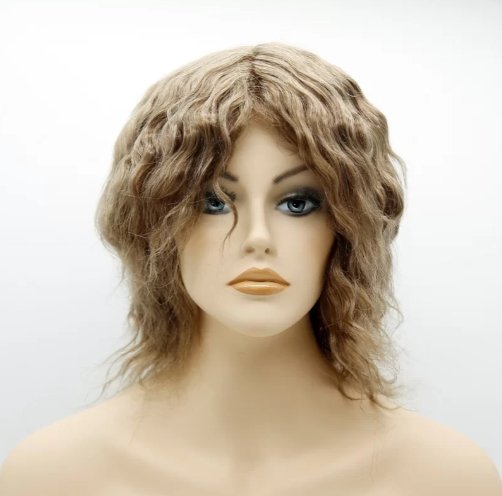
Repair works best when it is followed by better care. Small habits can add weeks or months of better wear.
· Comb from the ends first, then move upward in short sections.
· Clean adhesive before it becomes thick, gummy, or dark.
· Use mild shampoo and conditioner made for human hair systems.
· Avoid high heat near knots, lace fronts, and PU edges.
· Store the piece on a stand when it is not being worn.
· Keep a second system for rotation if the hairpiece is worn every day.
After washing, do not twist or rub the base with a towel. Press out water gently and let the system dry in shape. For curly or wavy hair, define the pattern while damp. For straight hair, avoid pulling hard at the front when styling.
Qingdao Eminent Hair Products Co., LTD is a professional wig supplier based in Qingdao, China, serving personal wearers, salons, retailers, and wholesale customers. The company works with men’s toupees, women’s wigs, toppers, hair extensions, stock pieces, and custom hair replacement systems. Lace, skin, mono, silk top, integration, and mixed-base designs can be made for different wear needs.
Its production team includes around 50 factory workers and about 500 skilled knotting workers. This matters because knotting method, hair direction, density control, and base handling all affect the final look. Hair options include Indian, Chinese, Mongolian, and European hair, with Remy and virgin hair choices available. Length, color, grey percentage, curl, and base design can be adjusted for individual users or business orders.
Hair piece repair allows for returning to the comfort, fullness, softness, and naturalness without changing a loved system too early. Perfect outcomes are achieved only by means of proper assessment of the actual condition of the base and hair and using the appropriate repairing technique and further care.
Yes. Toupee repair can fix small tears, light shedding, weak knots, hairline thinning, and some base problems. The result depends on the age of the system and whether the base can still hold repair work.
Yes, but not in the same way. Lace hair system repair often focuses on tears and re-knotting. PU skin hairpiece repair often deals with edges, buildup, or cracking. Mono base toupee repair is usually linked to density and structural wear.
Use gentle washing, remove adhesive on time, brush carefully, avoid harsh heat, and store the piece on a stand. For daily wearers, rotating two hair systems can reduce stress on each piece.
The quality of the products is the foundation of our existence!Customers'satisfaction is our permanent commitment!

Follow us on social media and find more about our hair procedures and for our latest news, photos and success stories.
TELEPHONE :+86-18765287179
WHATSAPP :+86-18765287179


© 2026 Qingdao Eminent Hair Products Co.,LTD. All Rights Reserved. Powered by HiCheng