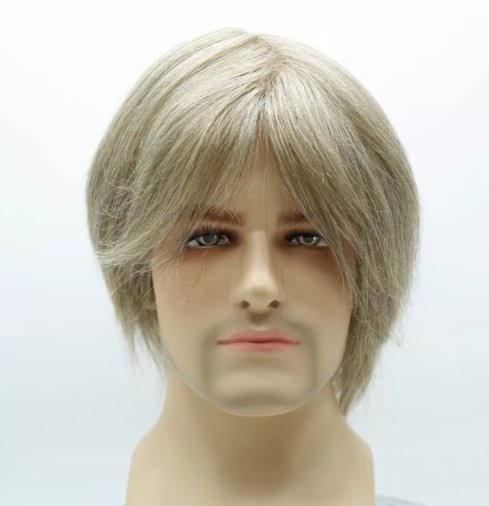
A lace base men’s hair system can look light, cool, and natural, but the final result depends on how it is attached. The bond affects the front hairline, daily comfort, wear time, sweat resistance, and cleanup. So, should you use hair system tape or glue?
Tape is usually easier and cleaner. Glue can give a flatter, more invisible lace front hairline. For many men, the best answer is a mix: tape around the sides and back, with glue at the visible front.
Lace is chosen because it feels breathable and soft. French lace and full lace bases allow air to move through the base, which is helpful in warm weather, during long workdays, or for men who dislike a heavy cap feeling. A lace front hair system can also create a natural hairline when the front density is not too thick and the edge is fitted well.
The base design should guide the attachment method. Tape works well on PU edge or poly perimeter areas because the surface is smooth and easier to clean. On fine lace, tape can still work, but it must sit neatly so the edge does not show. Glue is often used at the front because it lies thinner and blends better under lace.
Hair system tape is a double-sided adhesive made for toupees and hairpieces. It comes in rolls, strips, contours, and pre-cut shapes. Many beginners start with tape because the steps are simple: clean the scalp, place the tape, peel the backing, position the system, and press.
Tape is a strong choice for quick fitting and regular maintenance, especially around the sides and back.
Tape often works best for:
· Men new to hair systems
· Weekly or short-term wear
· PU edge hair systems
· Lace front with PU edge designs
· Hairstyles that cover or partly cover the front hairline
The main trade-off is thickness. Some tapes can leave a slight edge under a thin lace front. If the hairstyle falls forward, this usually is not a problem. If the front is fully exposed, the tape must be very thin and placed with care.
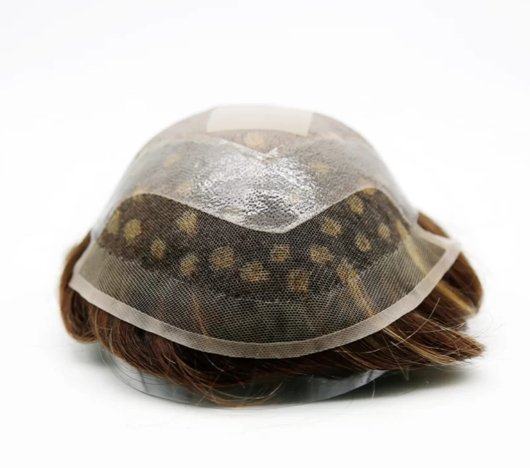
Hair system glue is a liquid adhesive applied in thin layers, usually on the scalp. It is often used for lace front hair systems because it can dry clear and flat. When applied well, glue gives the front edge a softer finish than standard tape, making it useful for slick-back, side-part, or lifted-front hairstyles.
Glue needs more patience than tape. The scalp must be clean and dry. A thin layer is better than a thick one. Many wearers use two light layers, letting each layer turn clear or tacky before placing the lace. Rushing this step can cause lifting, shine, or adhesive bleeding through the lace.
Glue can suit men who want a natural hairline hair system, need a stronger bond for travel or events, or prefer longer wear. The drawback is cleanup. Too much glue can build up in lace. Men with sensitive skin should patch-test any lace hair system adhesive before full use.
The best adhesive for lace hair system wear depends on where the adhesive sits and how the hair is styled.
Factor | Tape | Glue |
Ease of use | Faster and beginner-friendly | Needs drying time |
Hairline finish | Good when hidden | Better for a flat lace front |
Cleanup | Easier on PU areas | More detailed on lace |
Best placement | Sides, back, PU edge | Front hairline |
Best wearer | Simple routine | Exposed styles |
Tape often wins for speed and easy hair system maintenance. Glue often wins when the front edge is the main concern. A man who wears the hair forward may be happy with tape. A man who lifts the hair off the forehead will usually prefer glue at the front.
The attachment method should fit real life, not just the fitting chair.
Tape is usually the easiest hair system attachment for beginners. It is less messy, easier to adjust, and less stressful during the first few fittings. A beginner who wears the hair down or slightly forward may get a clean look without glue.
A breathable men’s toupee for summer often starts with lace because air can move through the base. For sweating and gym use, scalp preparation matters as much as adhesive choice. Oil should be removed before bonding, and heavy sweat should be avoided right after attachment. Active wearers often do well with tape on PU areas and glue at the front.
For a brushed-back style, glue usually gives the cleaner finish. It sits flat under lace and helps reduce the hard edge that some tapes may leave. The glue should be thin, clear, and kept out of the hair itself.
The best method is the one the scalp accepts. Some men react to certain glues, while others react to strong tapes. A patch test before a full bond can prevent redness, itching, and discomfort.
A hybrid method is often the most balanced choice for a lace base men’s hair system. Tape can secure the sides and back, especially when the base has PU edge. Glue can be used at the front lace area to keep the hairline flat and clean.
This setup is practical for a lace front with PU edge hair system. The PU edge helps with tape placement and removal, while the lace front keeps the visible hairline soft.
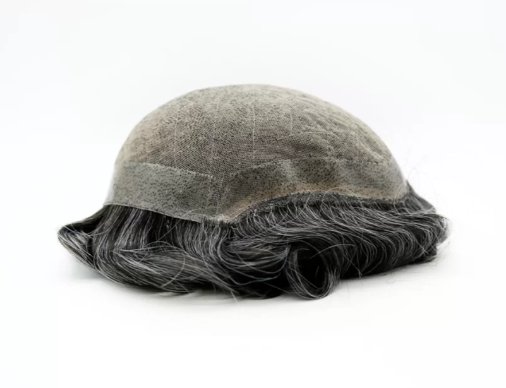
Good bonding begins with clean skin. Oil, sweat, lotion, and old adhesive weaken the hold. Position the system before peeling tape backing or applying glue, so the front hairline is clear. Use thin adhesive layers rather than heavy buildup.
Removal should be slow. Apply adhesive remover and give it time to soften the bond before lifting the base. Pulling lace too quickly can stretch the front edge. Tape residue on PU can often be rolled away more easily than glue residue in lace.
Before choosing a stock men’s lace toupee or a custom lace hair system for men, buyers should ask: will the front hairline be exposed? Does the base have a PU edge? How often will the wearer remove it? Is the wearer active, oily, or often outdoors? Is the scalp sensitive to adhesive?
For salons and distributors, both tape-friendly and glue-friendly base options are useful. Some clients want a quick routine. Others care most about an invisible hairline.
Qingdao Eminent Hair Products Co., LTD is a professional hair product supplier based in Qingdao, China, serving buyers who need men’s toupees, women’s wigs, toppers, hair extensions, and custom hair replacement systems. The company works with lace, mono, skin, silk top, PU edge, and full wig base designs. Hair options can include Indian hair, Chinese hair, Mongolian hair, and European hair, with Remy and virgin hair choices.
The factory supports both stock supply and custom work. Salons, distributors, and replacement centers may need fast shipment for common pieces, while special orders may require custom size, color, density, length, grey percentage, or base design.
Tape is the better choice for men who want speed, simple cleanup, and beginner-friendly wear. Glue is the better choice for men who want the most natural front hairline, especially with a lace front hair system. For many lace base men’s hair system wearers, the strongest answer is both: tape around the perimeter or PU edge, and glue at the visible front hairline.
The final decision should follow the base design, hairstyle, scalp condition, climate, and service schedule.
Tape is better for easy use, faster fitting, and cleaner weekly maintenance. Glue is better for a flat, natural-looking front hairline. For many men, the best choice is tape on the sides and back with glue at the front lace area.
Yes. Many wearers use tape around the perimeter and glue at the hairline. This hybrid method works well for a lace front with PU edge hair system because the PU area is tape-friendly, while the lace front can stay thin and natural.
Wear time depends on skin oil, sweat, climate, tape type, and care habits. The bond should be changed when the edge lifts, feels loose, or collects residue.
Use a proper adhesive remover and give it time to soften the glue. Do not pull or scrape the lace. Careful removal helps protect the lace base and front edge.
The quality of the products is the foundation of our existence!Customers'satisfaction is our permanent commitment!

Follow us on social media and find more about our hair procedures and for our latest news, photos and success stories.
TELEPHONE :+86-18765287179
WHATSAPP :+86-18765287179


© 2026 Qingdao Eminent Hair Products Co.,LTD. All Rights Reserved. Powered by HiCheng