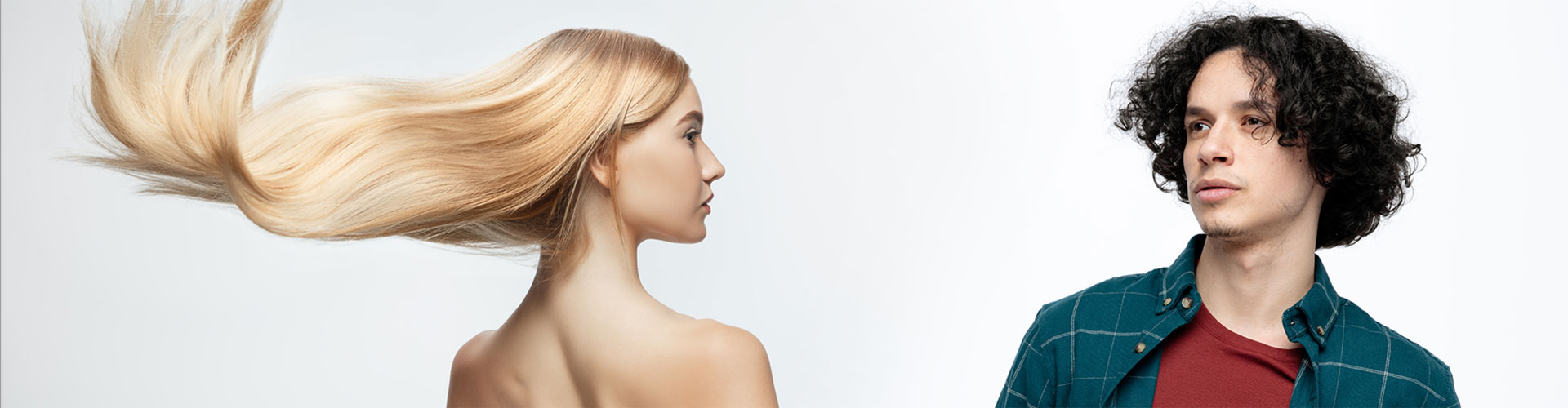
Hair loss hits millions worldwide. Folks turn to wigs for a quick fix that looks real. But whispers persist: do these setups really damage the scalp? Plenty of people hold back, fearing irritation or worse. This post digs into the facts, pulling from what users and experts share. You'll see how modern hair system work without harming skin when handled right.
These pieces blend seamlessly with your own locks. Bases come in breathable materials like lace or thin skin. Hair gets knotted or injected for a natural flow. Guys and gals use them to cover thinning spots or full bald areas. Check out options tailored for different needs on our site.
Hair system have evolved. Early versions felt bulky. Today's designs prioritize comfort. That shift matters because it ties directly into scalp health questions.
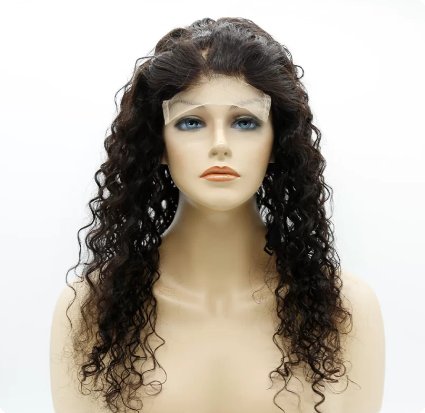
Variety exists to match lifestyles. Lace fronts allow air flow, ideal for active days. Skin bases mimic scalp texture, suiting short styles. Some clip on; others use tape or glue for secure hold. Each type addresses specific concerns, like breathability to keep skin cool.
Users report feeling nothing after a week or two. One common thread: proper fit prevents pulls or rubs that could irritate.

Myths swirl around scalp damage from wigs. Some claim they block pores or cause infections. Reality checks show otherwise. When applied correctly, these pieces sit lightly without harm. Issues crop up only from neglect or wrong methods.
Think about daily wear. Sweat builds if not cleaned. That leads to itchiness, not from the system itself but poor habits. Experts note most complaints stem from skipping routine care.
Adhesives spark debate. Harsh glues might redden sensitive skin. Yet hypoallergenic options exist, tested for safety. Patch tests catch reactions early. In practice, 90% of wearers face no issues after initial adjustment.
Traction alopecia gets mentioned often. This happens from constant pulling. Wigs avoid it with loose attachments. Tight bonds over months strain follicles. Regular breaks and gentle removal sidestep that.
Breathability plays a key role too. Non-porous bases trap moisture, breeding bacteria. Modern ones let air circulate, cutting risks. Users with oily scalps notice fewer breakouts when switching to ventilated designs.
Red flags include persistent itching or flaking. These signal buildup, not inherent damage. A quick wash sorts most out. Severe cases? See a dermatologist. They often trace problems to allergies, not the wig effects on scalp.
Data from clinics shows under 5% report lasting effects. Those usually tie to ignoring guidelines. Simple swaps, like milder shampoos, fix things fast.
Flip the script. Well-maintained wigs shield natural hair. They reduce styling stress, letting roots recover. For those with conditions like alopecia areata, coverage boosts confidence without meds.
Protection from sun or pollutants adds value. Bases act as barriers. Wearers in sunny climates note less dryness. It's about balance – the system supports, doesn't hinder.
This positive angle shifts focus. From fear to facts, proper use turns wigs into allies for healthier looks.
Daily routines matter. Wash every 7-10 days with sulfate-free products. Gently pat dry to avoid snags. Store on a stand overnight for air drying.
· Clean the base thoroughly: Remove residue with alcohol wipes.
· Moisturize the scalp: Use light oils to prevent dryness.
· Rotate attachments: Alternate tape spots to rest skin areas.
· Schedule professional checks: Every few months ensures fit.
These steps keep things smooth. Many wearers go years without hitches.
Aspect | Proper Care | Improper Care |
Cleaning Frequency | Weekly | Rarely |
Adhesive Choice | Hypoallergenic | Cheap, harsh |
Scalp Outcome | Healthy, no irritation | Itchy, potential rashes |
Longevity of System | 6-12 months | 2-4 months |
Tables like this highlight differences. Stick to the left column for best results.
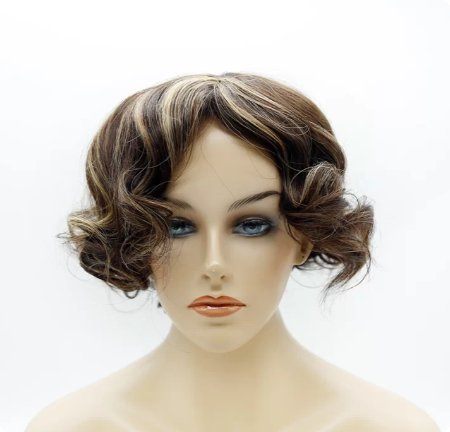
Not all wigs suit every scalp. Skin type counts. Oily ones need more frequent cleans. Dry types benefit from hydrating bases.
Attachment method affects too. Clips ease pressure compared to full bonds. For sensitive folks, start with temporary options. Build up tolerance.
Lifestyle fits in. Athletes prefer secure yet breathable setups. Office workers might opt for all-day comfort. Matching these reduces any risk of scalp damage from toupees or similar.
Qingdao Eminent Hair Products Co., LTD stands out as a reliable wig supplier. Based in Qingdao, China, this professional manufacturer crafts high-quality pieces with around 50 factory workers and 500 skilled knotters. They handle men's toupees, women's wigs, and extensions using materials like Indian, Chinese, Mongolian, and European hair – both remy and virgin. Custom orders get attention, with fluent English support for smooth service. Fast delivery and delicate workmanship reach customers worldwide.
Wigs offer a solid path for those facing thinning or loss. They don't inherently damage the scalp when cared for right. Focus on quality materials, regular upkeep, and listening to your skin. This approach keeps things comfortable and effective. Explore more on our about page for deeper insights.
No, not if you pick breathable bases and clean regularly. Most users see any initial discomfort fade within days. Always test adhesives first.
They don't. Proper attachment avoids pulling on roots. In fact, they protect existing hair from daily wear. Clinics confirm no link to worsening baldness.
Every 1-2 weeks for a deep clean works best. This lets skin breathe and clears buildup. Adjust based on activity level.
Yes, with the right choices. Opt for lace or skin bases from trusted sources like our men's or women's lines. Patch tests help spot issues early.
Stop use and cleanse gently. It often stems from residue, not the piece itself. Consult a pro if it lingers.
The quality of the products is the foundation of our existence!Customers'satisfaction is our permanent commitment!

Follow us on social media and find more about our hair procedures and for our latest news, photos and success stories.
TELEPHONE :+86-18765287179
WHATSAPP :+86-18765287179


© 2026 Qingdao Eminent Hair Products Co.,LTD. All Rights Reserved. Powered by HiCheng