
A “good wig” is not one single thing. Quality comes from a chain of choices, starting with the raw hair (or fiber), then how the cap is built, then how the hair is ventilated, colored, and finished. Miss one link and the wig may look fine in a photo but shed, tangle, itch, or lose shape after a few weeks of real wear.
The key is to judge wig quality the same way professional salons and long-term wearers do: by performance under daily conditions—commuting, office air-conditioning, humidity, a quick workout, frequent styling, and repeated attachment/removal. This article details nine factors that influence the quality of wigs, helping consumers make better decisions when purchasing them.
The most important difference in high quality human hair wigs is not “softness out of the box.” It’s cuticle alignment from root to tip. When cuticles run in one direction, the hair behaves like natural hair: it resists matting, stays smoother after washing, and keeps a consistent shine.
Two common terms matter here:
Remy hair is typically described as hair collected and kept aligned in one direction, which helps reduce tangling and frizz during wear.
“Virgin” usually refers to hair that has not been chemically processed (no heavy bleaching or aggressive stripping). In real use, less processing often means a longer workable life—especially for daily wearers who wash weekly and heat-style several times a month.
A practical check: run fingers down a small section from mid-length to ends. Hair with mixed direction often feels rougher and catches more easily, even when it looks shiny on day one.
Hair can be beautiful and still be over-processed. Light blondes, high-lift highlights, and “icy” tones usually require more chemical work. That can open the cuticle and increase dryness, which shows up later as flyaways, dull ends, and breakage.
A real-world scenario: a daily wearer in a dry climate might heat-style twice a week. If the hair is heavily lightened, the ends may start snapping sooner, and the wig will need trims more often just to look tidy.
When evaluating wig color processing damage, look for:
A consistent feel from roots to ends, minimal “crispy” ends, and less white powdery residue on the lace or cap after coloring.
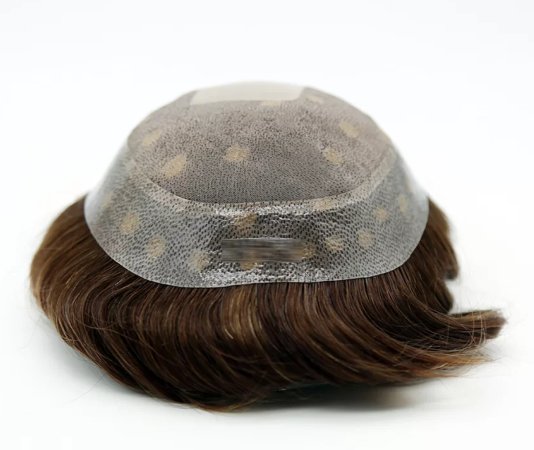
Most top-ranking wig guides center on two pillars: hair fiber and cap construction. That’s because the cap affects everything: scalp look, parting freedom, breathability, attachment options, and even how “flat” the top sits.
Before comparing styles, it helps to know what each common material is built to do.
Table 1: Cap materials and what they’re good at
Cap / base element | What it’s known for | Typical trade-off | Best use case |
Lace front | Natural hairline effect | Needs careful handling and cleaning | Everyday realism at the hairline |
Monofilament (mono) top | Scalp-like parting, structure | Less airy than lace in some builds | Natural part + longer wear durability |
Silk top | Very realistic “scalp” look | Often slightly thicker | Close-up realism, camera work |
PU / poly perimeter | Strong edge for tape or adhesive | Breathability depends on design | Secure attachment, frequent re-attachment |
Combinations like silk-top designs and mono designs with PU-coated edges are commonly used to balance realism and edge durability.
Ventilation is how hair is tied or injected into the base. It determines density distribution, movement, and how the hairline breaks up. This is where craftsmanship shows.
A few details that separate a better lace front wig quality build from an average one:
Natural graduation at the front (not a solid wall of density), stable knots that resist shedding, and consistent direction so the hair lays correctly without heavy product.
If the wig will be worn in bright lighting (office fluorescents, outdoor sun, weddings), knot visibility becomes a big deal. Many shoppers look for bleached knots for a more “melted” hairline appearance.
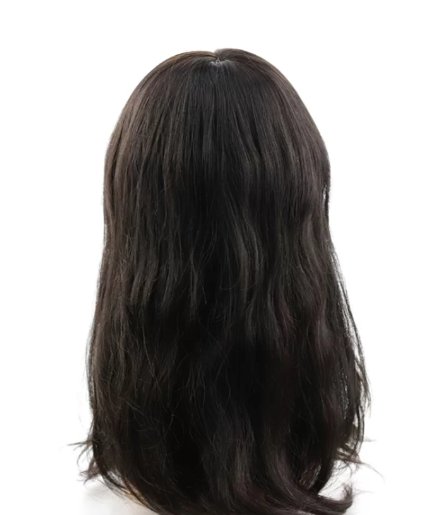
Buyers often think “thicker = better,” but wig density and ventilation should match the wearer’s age, face shape, and lifestyle. A higher density can look less believable on a petite head or in strong sunlight. Meanwhile, low density can be beautiful but requires stronger ventilation and better knotting to avoid sparse patches over time.
A practical way to think about how to measure wig density:
Compare the ponytail thickness to what would look normal for that person’s bio hair. For daily wear, many people prefer a density that holds shape without needing heavy teasing or thick sprays.
Hairline realism is a stack of micro-choices:
Front density gradient, baby-hair placement (used sparingly), knot size, lace tone, and whether the hairline is shaped to suit the wearer.
In real daily use, the fastest giveaway is a straight, overly sharp front line. A more natural hairline usually has subtle irregularity and soft density at the first few millimeters.
Even high quality human hair wigs can look “wiggy” if the fit is off. Fit affects:
Crown height, temple lift, and how the lace lays. Too tight can cause headaches and edge lifting; too loose can shift during a windy commute or a quick run to the store.
For men’s systems and active wearers, edge design matters because attachment is more frequent. Stronger perimeter structures can help when tape changes are part of the routine.
Some shedding is normal, especially early on. Excess shedding is usually tied to:
Weak knotting/ventilation, rough handling during washing, aggressive brushing at the lace line, or repeated tugging at the same area (common with tight ponytails).
Tangling tends to show up first at the nape for longer styles because of friction from collars and scarves. Better hair (aligned cuticle) and better density distribution reduce how fast this happens.
A useful daily-wear check: after an 8-hour day, the hair should still finger-comb without needing a detangling spray every single time.
Online listings love to use broad terms like “premium” or “grade,” but consistent quality comes from repeatable production steps: sorting, ventilation standards, color control, and final inspection.
Lead time can also reveal build type. For example, the typical product material notes common custom production windows of around 6–8 weeks, with faster rush options in some cases. That aligns with the reality that detailed ventilation and cap work take time when made to spec.
Different wearers prioritize different things. This table helps match priorities to build choices.
Table 2: Matching needs to quality priorities
Buyer priority | Top factors to focus on | Why it matters in real life |
Most natural hairline | Lace quality, knot visibility, hairline gradient | Up-close confidence in bright light |
Longest wear and durability | Cuticle alignment, knot strength, edge design | Less shedding, fewer repairs |
Sensitive scalp comfort | Breathability, cap material, fit | Fewer red marks and itching |
Frequent styling | Hair processing level, Remy alignment | Better heat behavior, less dryness |
Qingdao Eminent Hair Products Co., LTD is based in Qingdao, China and focuses on manufacturing hair products over many years, including men’s hair systems, women’s wigs, and related hairpieces. The company describes an in-factory team alongside a larger group of experienced knotting workers, with staff familiar with production methods across different base materials and knotting approaches. It also notes the ability to support custom base designs and provide multiple hair material options such as Remy and virgin hair, with color and length specifications made to order, serving customers across different regions.
Wig quality is not a single feature like “soft hair” or “HD lace.” It’s a full build: aligned cuticles, sensible processing, a cap that fits the wearer’s life, and clean ventilation that holds up after washing, styling, and repeated attachment. When the goal is truly high quality human hair wigs, the best results come from checking the fundamentals—hair source, cap construction, knot work, density planning, and consistency—because those are the factors that still matter after the first month of wear.
Start with hair behavior, not shine. Ask whether the hair is a Remy human hair wig (cuticle-aligned), confirm the processing level (especially for very light colors), and check cap construction details like lace type, mono or silk top options, and how the hairline is ventilated. A good-quality build should be designed to resist tangling at the nape and keep a natural front gradient after washes.
Both, but the lace front is what people see first. Fine lace, realistic knot work (often helped by bleached knots), and a natural hairline gradient drive realism. Hair quality then determines how long that realism lasts—aligned cuticles typically tangle less and keep smoother movement over time.
A silk top is often chosen for a very scalp-like look at the parting area, while lace tops typically emphasize breathability and a lighter feel. The best choice depends on priorities: close-up realism at the top versus airflow and lightness for long daily wear.
Chemical processing and daily habits. Heavy lightening, frequent high-heat styling, and poor storage shorten lifespan fastest. With gentler color work, moderate heat, and regular conditioning, virgin hair typically stays workable longer than heavily processed hair.
The quality of the products is the foundation of our existence!Customers'satisfaction is our permanent commitment!

Follow us on social media and find more about our hair procedures and for our latest news, photos and success stories.
TELEPHONE :+86-18765287179
WHATSAPP :+86-18765287179


© 2026 Qingdao Eminent Hair Products Co.,LTD. All Rights Reserved. Powered by HiCheng