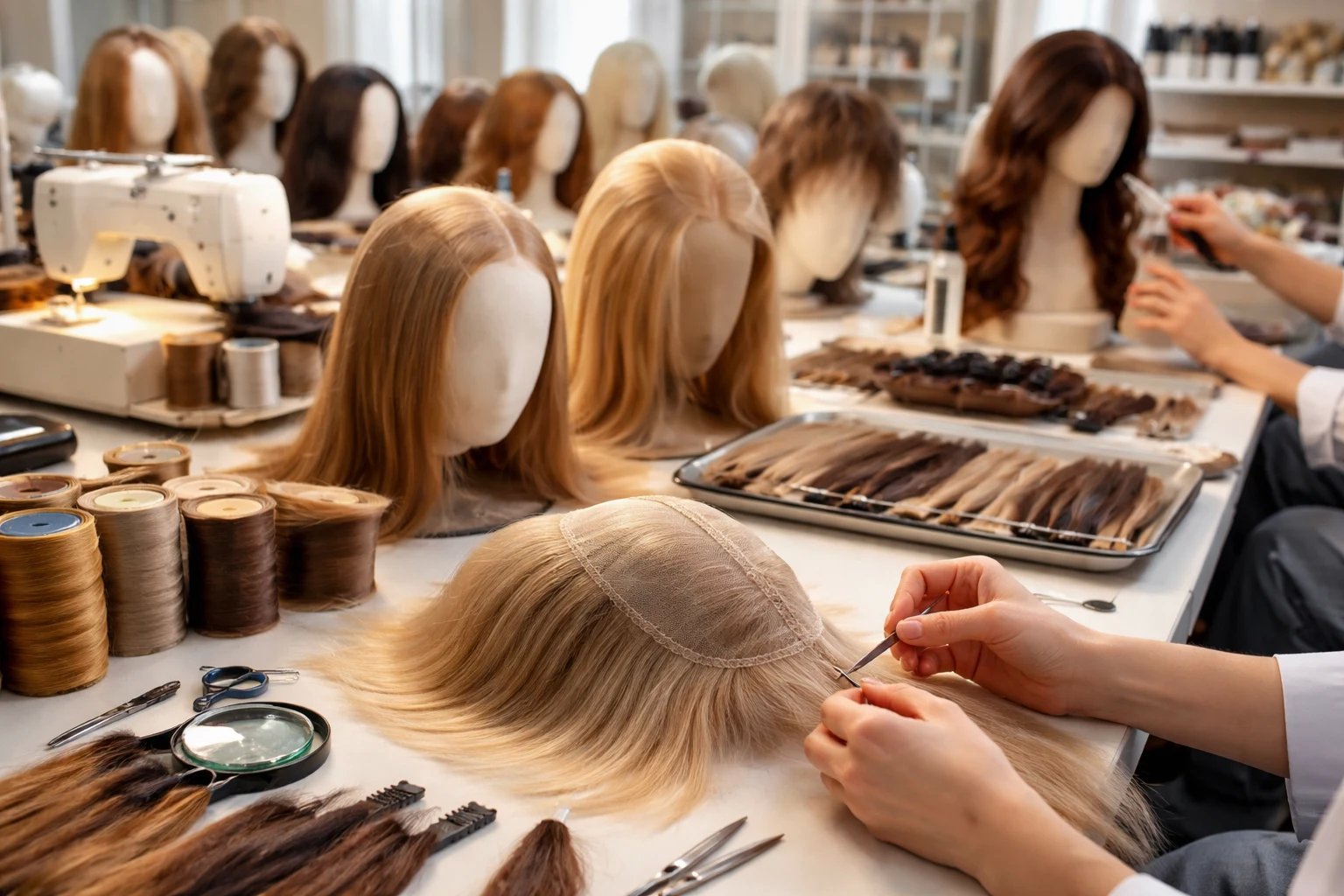
The making of a custom hair system mixes art, careful work, and new materials in a smart way. This whole wig manufacturing process aims for a natural look. It also focuses on comfort and lasting use for the person wearing it. Each part—from picking raw materials to the last styling—adds to the quality, real feel, and strength of the final item.
The wig manufacturing process brings together skilled work, tools, and material knowledge. It creates systems that copy how real hair grows. Every step in production, like building the base, adding hair, coloring, and finishing, affects key features. These include how well it breathes, bends, and holds up. Teams use strict checks during the whole process. This keeps things steady for both group-made and fully made-to-order pieces. Such a planned method makes sure each hair system hits the high standards needed in today's busy market.
Making things personal now shapes wig manufacturing a lot. The custom hair system process fits every part to match a person's head shape, hair thickness wishes, and daily habits. New tech for measuring heads with digital tools helps map shapes exactly. This leads to better cap designs that fit well. These special changes set top custom systems apart from ones made in big batches. They give better ease and a smooth fit that looks like real hair growth.
Once design plans are set, makers turn to choosing good materials. They balance real looks with strong build.
Real human hair stays the top pick for many custom systems. It has true feel changes and can be styled in many ways. Users can heat style, color, or treat it like their own hair. Synthetic fibers have perks like steady colors and less care needed. They suit people who want easy-to-handle options. Mixed systems use both types. This way, they get good value and keep a true look for certain uses.
Before adding hair to the base, raw hair goes through close sorting. Workers sort by length, shade, and how cuticles line up. This keeps things even during adding hair. Cleaning steps remove dirt like oils or leftover bits. They do this without hurting the hair's strength. Conditioning steps bring back softness and ease of handling. They ready the strands for tying or machine adding. This prep time makes sure the feel is great. It also boosts how well it wears over time.
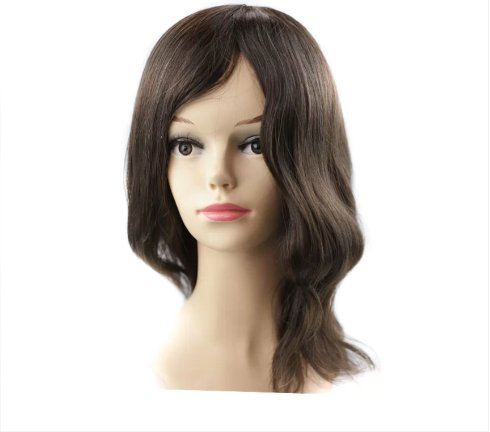
After adding hair ends, coloring and styling add personal touch. They use careful color putting and texture work.
Color experts blend hair by strand with soak dyeing or spray tinting. The choice depends on hair type. This careful way makes smooth color shifts over the whole system. It looks like natural sun touch. Teams often add UV shields after coloring. These keep the color from fading in sun or weather.
Heat tools set curl shapes or smooth textures to match what the client wants. They keep the hair strong. Cutters shape lines along real growth paths near temples or neck. This mimics true movement. Before packing, checks look at even thickness, strong knot holds in bases, and full match to first plans.
Quality checks go past looks. They test how it works in fake use setups.
Strength tests check pull hold against hair loss in stress like brushing or washing. Air flow checks measure breath through cap stuff. This matters for comfort in long wear. Glue fit tests make sure bonds stick well on PU or lace without skin bother in take-off or put-on times.
Makers now use online tools to watch flaws in runs. This guides fixes in steps. Client input gives useful tips for plan tweaks or new supply ways if needed. Track systems add clear paths in chains. They log each unit from line build to buyer hand-off.
Qingdao Eminent Hair Products Co., LTD ranks as one of China's top wig makers. They focus on fine human hair systems for world markets. The firm mixes new machines with hand skills for steady quality in custom jobs. Its drive for new ideas from research makes it a solid choice. It supplies shops, sellers, and style pros around the globe who want top solutions in wig making.
The custom hair system process shows how old skills work with new tech. They make wearable art fit to each person's needs. From close material picks through digital shape plans to last checks—each part builds trust and true looks. Pros in the field demand this in the trade.
Custom systems get made one by one from exact head sizes and thickness choices. Ready-made wigs use set sizes without personal changes.
Time lines change by how hard it is. But they often take four to eight weeks. This covers mold making, hair adding, color steps, and last style checks.
Yes. New synthetic fibers hold up well with little care. But they miss the full bend of human hair for heat or chemical changes.
The quality of the products is the foundation of our existence!Customers'satisfaction is our permanent commitment!

Follow us on social media and find more about our hair procedures and for our latest news, photos and success stories.
TELEPHONE :+86-18765287179
WHATSAPP :+86-18765287179


© 2026 Qingdao Eminent Hair Products Co.,LTD. All Rights Reserved. Powered by HiCheng