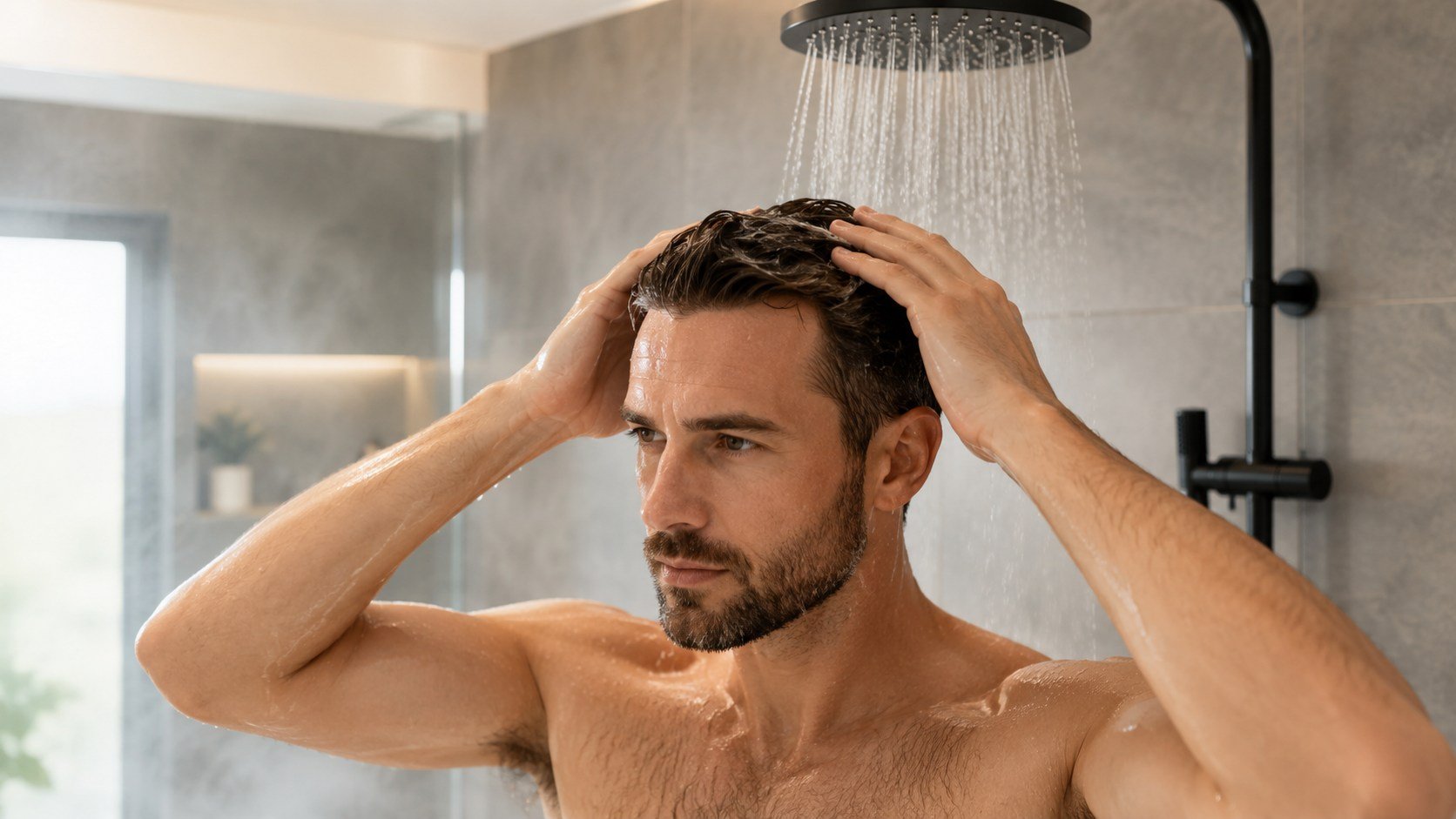
Most bonded hair systems can be worn in the shower. The result depends less on water itself and more on timing, temperature, pressure, washing technique, and product choice.
Newbies should be cautious about washing their hair before the glue has dried off, scrubbing the base, washing with hot water, applying the conditioner around the bonding, and brushing their wet hair roughly. With careful maintenance, you will avoid dryness, tangling, shedding, and lifting.
Yes, you can shower with a hair system when it is attached correctly and the bond has had enough time to set. Follow the curing guidance supplied with the tape or liquid adhesive. A newly fitted system should not be soaked immediately, even when the hairline feels secure.
Base construction changes how the unit behaves in water. Lace is breathable, skin is smooth, mono is structured, and a layered silk top may take longer to dry.
Water resistance does not mean careless washing is safe. A high-pressure stream can pull at knots, roll an edge, or force shampoo into hard-to-rinse areas.
Run a fingertip lightly around the front, sides, and back. Repair any lifted edge before washing.
Next, detangle the dry hair. Hold it near the base to reduce tension, then work from the ends upward with a wide-tooth comb or loop brush. This matters most for longer systems, human hair toppers, and curls.
Before turning on the water:
· Wait for the adhesive or tape to cure fully.
· Remove knots while the hair is dry.
· Use a shower cap on non-wash days.
· Prepare gentle shampoo, conditioner, and a soft towel.
· Lower the pressure if the stream feels sharp.
Treat replacement hair as processed human hair that cannot replace its natural oils. Rough movement adds wear, especially around a lace front.
Wet the hair with lukewarm water, not hot water. Let the stream flow from the crown toward the ends. Do not aim the showerhead directly at the front hairline or force water upward beneath the base.
Hot water can dry human hair and soften some adhesives. A moderate temperature is enough to loosen sweat, dust, and styling residue.
Choose a mild, moisturizing, sulfate-free shampoo for wigs, replacement hair, color-treated hair, or dry human hair. Dilute a small amount between wet palms.
Smooth the lather over the hair in one direction. Do not pile the hair on top of the head or scrub it like growing hair. Use fingertips around exposed scalp areas without scratching the base.
Rinse until the water runs clear; residue can make the hair dull or stiff.
Conditioner reduces friction and limits breakage. Apply it from the mid-lengths to the ends. Keep rich conditioner, oil, and masks away from tape, glue, knots, and the underside of the base.
Use little product on a short men’s toupee. Divide longer toppers or wigs into sections, then rinse downward.
Press the hair lightly between the hands, then blot it with a soft towel. Rubbing, twisting, or wrapping it tightly can cause matting and pull on the ventilation.
Air-drying creates the least stress. When a dryer is needed, use cool or low heat and keep it moving. Avoid strong heat at the hairline.
The amount of shampoo will depend on the level of sebum on the scalp, amount of physical activity, weather, styling products, attachment process, and hair length. Taking a shower every day is acceptable, but there is no need to shampoo your hair system every day.
Wearing situation | Practical shampoo schedule |
Office work, low sweat | About 1–2 times a week |
Regular workouts or humid weather | About 2–3 times a week |
Dry, curly, lightened, or long hair | Usually 1–2 times a week |
Heavy product buildup | Wash as needed, then use less product |
A water-only rinse may help after exercise, but repeated soaking still creates friction. A shower cap protects the style on non-wash days.
A fitted hair replacement system also needs periodic full maintenance. Shower washing does not remove old adhesive from the underside. The removal schedule depends on the bonding method and scalp condition.
Small habits often cause more damage than one major accident. Common problems include:
· Showering too soon after attachment.
· Using very hot water or strong pressure.
· Scratching through lace with fingernails.
· Piling wet hair into a tangled bundle.
· Putting conditioner or oil on the bond.
· Combing aggressively while the hair is saturated.
· Sleeping before the system is fully dry.
· Using high heat to speed up drying.
Roughness, nape tangles, or extra shedding may signal frequent washing or strong products. Apply light leave-in conditioner only to the lengths.
The same shower routine works for many systems, yet base construction and hair length call for a few adjustments.
Lace hair systems need low pressure because the hair is knotted into fine mesh. Skin systems should not be stretched while wet. Mono systems are stronger, but rough rubbing can still loosen hair.
For combination bases, follow the needs of the most delicate section. Treat a lace front gently even when the back uses a stronger material.
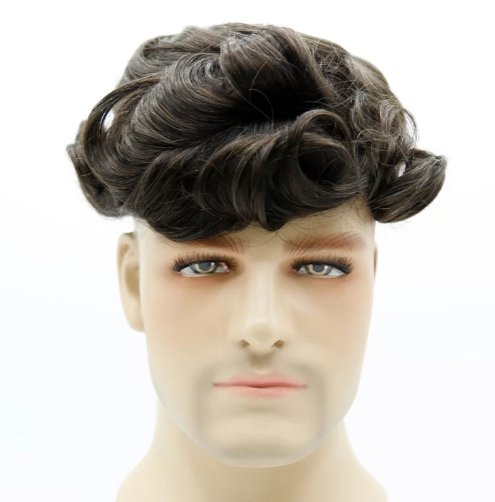
Short men’s hair systems dry quickly, but sweat and styling products may lead to more frequent washing. Use less shampoo and avoid rubbing the crown in circles.
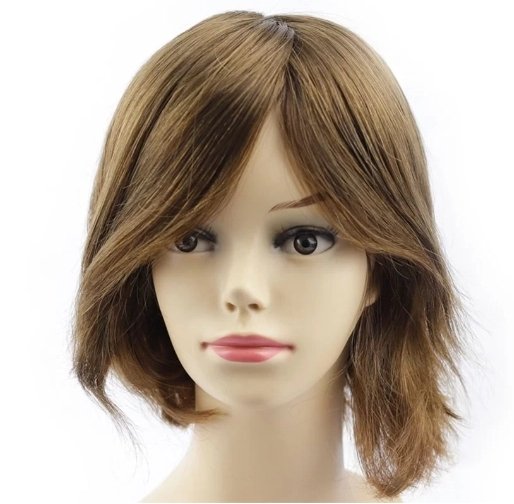
Women’s toppers and full wigs need extra detangling at the ends and nape. Longer human hair benefits from sectioning during conditioning and drying. Silk top pieces need enough airflow to dry through the layered top.
Qingdao Eminent Hair Products Co., LTD is a hair system and wig supplier based in Qingdao, China. Its range covers men’s toupees, women’s wigs, toppers, stock pieces, custom hair replacements, and repair services. Available constructions include lace, skin, monofilament, silk top, and combination bases, with Remy and virgin human hair in varied lengths, colors, textures, and origins.
Around 50 factory workers and approximately 500 knotting specialists support individual and wholesale orders. Custom work can match base design, measurements, density, color, and curl pattern.
Getting used to taking a shower while wearing your hair system has much to do with moderation. Make sure that the bonding agent has dried, employ cool water, apply low pressure, shampoo in only one direction, moisturize the ends, and blot rather than rub. For most users, one to three shampoos a week is ideal.
Developing a regular hair system cleansing regimen will help maintain its softness, adhesion, movement, and durability.
Yes, it is possible to have a body shower while using a bonded hair system daily, but the hair is not supposed to be washed daily with shampoo.
Follow the adhesive manufacturer’s curing time and the installer’s instructions. A hairline can feel secure before the bond reaches its full hold.
It is better not to. Wet hair tangles easily, and pillow friction can stress knots and edges. Dry the hair and attachment area fully before bed.
The quality of the products is the foundation of our existence!Customers'satisfaction is our permanent commitment!

Follow us on social media and find more about our hair procedures and for our latest news, photos and success stories.
TELEPHONE :+86-18765287179
WHATSAPP :+86-18765287179


© 2026 Qingdao Eminent Hair Products Co.,LTD. All Rights Reserved. Powered by HiCheng