A well-styled hair system should move naturally and blend with the face and remaining hair. Problems often begin when it is treated exactly like biological hair. System hair receives no fresh scalp oils, while knots, lace, skin, clips, and adhesive edges can be weakened by rough handling.
Learning how to style a hair system without damaging it comes down to three habits: use less tension, keep heat low, and apply lightweight products.
A hair system may use human hair, synthetic fiber, or a blend. Human hair offers broad styling freedom, but repeated heat causes dryness. A synthetic hair system holds its set shape well, yet many fibers cannot tolerate hot tools. Use low temperatures.
The base matters too. Lace depends on fine knots, while thin skin and PU use delicate material. Mono is stronger, but forceful brushing can still cause shedding. Good hair system care protects the hair and its base.
Safe hair system styling starts before the dryer or comb touches the hair. Check that the attachment is secure and no edge is lifting. Restyling over a loose front can pull the bond farther open.
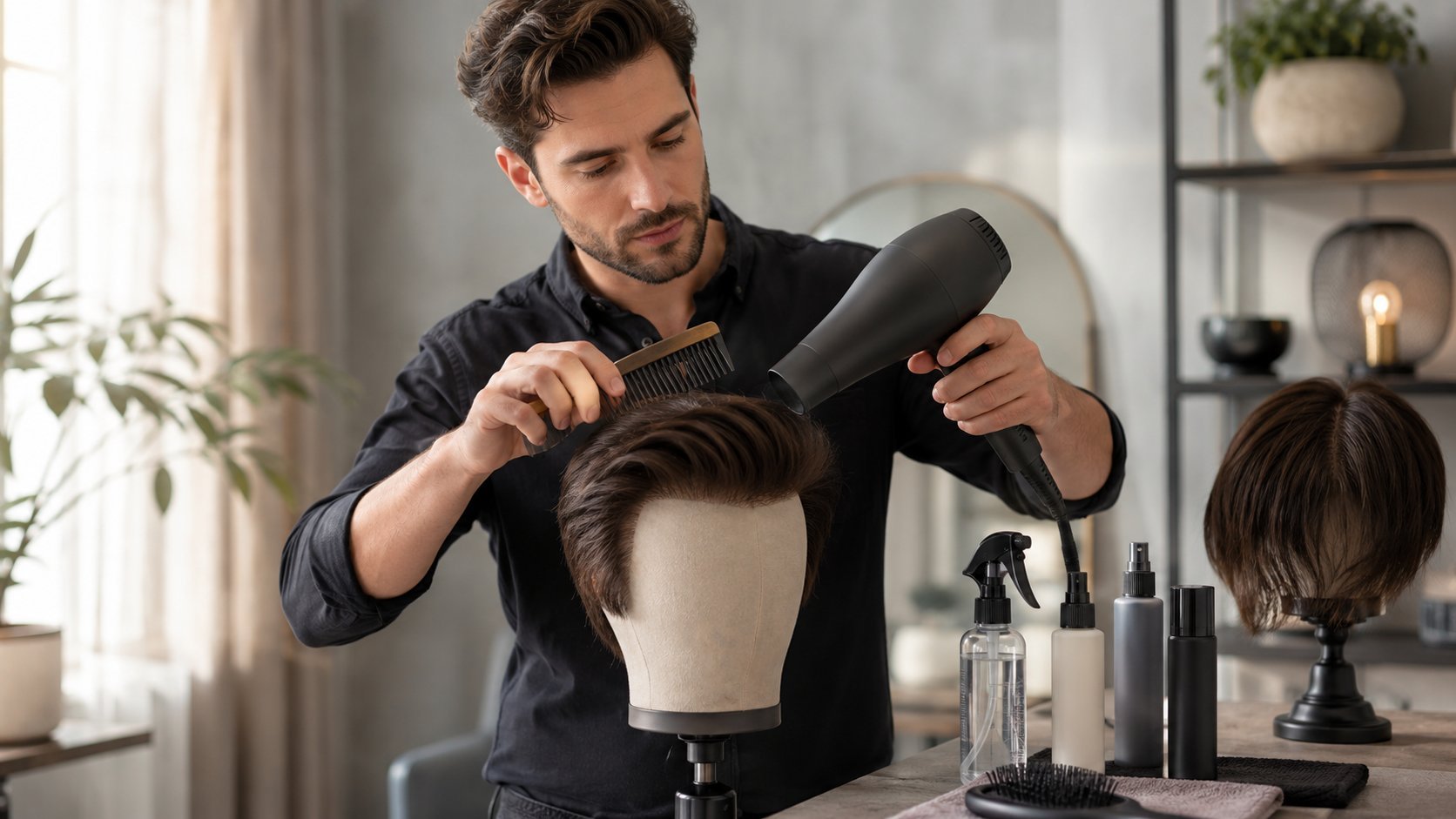
Keep a simple kit nearby:
· Wide-tooth comb or soft vent brush
· Water spray bottle
· Leave-in conditioner for hair systems
· Hair-system-safe heat protectant
· Microfiber towel
· Dryer with cool and low settings
· Lightweight mousse, cream, or flexible spray
Clean residue from tools because old wax and adhesive create drag. Use a wig stand for removable pieces.
The safest routine follows the hair’s direction instead of forcing it into place.
Begin with slightly damp hair. A fine water mist makes strands easier to move, while dry human hair may need leave-in conditioner through the lengths. Avoid soaking an attached system because moisture around tape or adhesive may weaken the bond.
How to detangle a hair system safely? Hold a small section near the base, comb the ends, and move upward once the lower section is smooth. Stop at resistance and loosen the knot with the fingers. Curly and wavy systems are easier to manage with fingers or a wide-tooth comb while damp.
Shape the part, fringe, crown, or swept-back area with the fingers before using heat. For a natural-looking hairline, lift a few sections and vary their direction. A soft front looks more convincing than a rigid, heavily sprayed one.
Let the hair partly air-dry, then blow-dry a hair system on cool or low heat from about 15 to 20 centimeters away. Direct air downward for smoothness or upward for volume. Keep concentrated heat off lace knots, PU edges, clips, and adhesive.
Human hair systems may be curled or straightened, but low heat styling is safer. Apply heat protectant for hair systems and make one controlled pass. To curl a hair system, work on the mid-lengths and ends. Never touch the base, and do not heat synthetic hair unless it is labeled heat-friendly.
Rub a pea-sized amount of cream between the palms, then work it through the hair. Lightweight styling products give movement without coating the base. Keep wax, oil, and heavy gel away from knots and attachments. For short toupee styling, matte cream can separate the top and soften the front.
Base construction affects airflow, durability, and movement, so match the technique to the material.
Base type | Suitable styling | Main caution |
Lace or French lace hair system | Soft parts, lifted fronts, loose texture | Support the base and avoid pulling knots |
PU or skin hair system | Short cuts, side parts, smooth styles | Keep heat and oily products off the base |
Mono hair system | Structured styles and moderate volume | Detangle gently despite the stronger base |
Silk top wig or topper | Natural parts, straight looks, soft waves | Limit tension around parts and attachments |
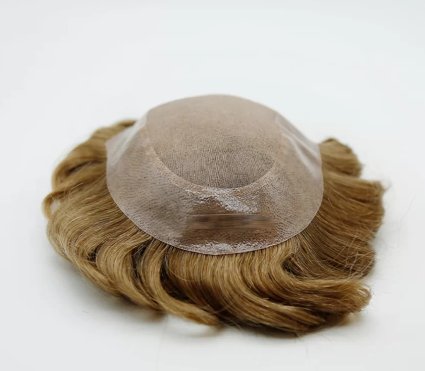
A lace hair system suits light styling, while French lace balances a natural look with durability. A PU hair system or skin hair system works well for controlled looks. Mono supports more structure.
For hair topper styling, shape the topper first, then blend it with natural hair using fingers or a soft brush. Hard pulling can strain clips and create separation.
The easiest style is one the system was built to support. Density, curl, length, fiber, and ventilation all affect the result.
For office wear, a soft side part needs little more than damp fingers and cool air. For evening volume, lift small crown sections while drying instead of backcombing. On humid days, use a flexible-hold product rather than adding more heat. These small choices reduce daily handling while keeping the style neat throughout a normal working day.
For short texture, a PU-based or hybrid men’s hair system can be shaped with the fingers. A breathable French lace men’s toupee suits volume, a lifted front, or a side part. Grey blends should be styled for the least heat-tolerant fiber.
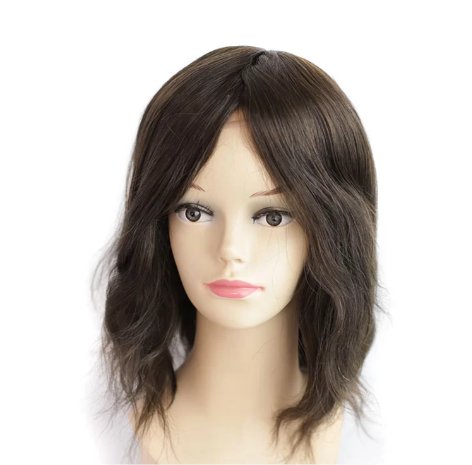
A natural-wave human hair topper adds coverage while keeping movement. A silk top wig gives a scalp-like part, while full lace women’s hair systems allow flexible parting. Support the lace during brushing.
Most damage comes from repeated habits:
· Brushing hard from the roots
· Using high heat without protection
· Heating synthetic fiber without checking its limit
· Applying heavy wax or oil near the base
· Sleeping with product buildup
· Pulling the front hairline several times a day
· Rubbing wet hair with a regular towel
· Leaving small tangles until they become matted
Changing these habits can prevent hair system shedding, protect hair system knots, and extend hair system lifespan.
Qingdao Eminent Hair Products Co., LTD is a Qingdao-based wig supplier producing men’s toupees, women’s wigs, toppers, extensions, stock pieces, and custom hair replacement systems. Its network includes around 50 factory workers and about 500 knotting workers, supporting different bases, colors, lengths, curls, and densities.
Indian, Chinese, Mongolian, and European hair are available, including Remy and virgin hair. Lace, mono, skin, silk top, integration, frontal, and full-wig constructions serve personal and wholesale needs. Stored templates and hair samples also support consistent repeat orders.
Safe styling is about controlling pressure, heat, and buildup. Mist the hair, detangle from the ends, shape it with the fingers, and use cool or low heat. Match the method to the base and fiber. A steady routine helps preserve movement, a natural finish, and longer wear.
Human hair can usually take low heat with a heat protectant. Synthetic hair should only be heated when labeled heat-resistant. Keep hot tools away from the base, knots, and adhesive.
A wide-tooth comb or soft vent brush works for most systems. Start at the ends and support the hair near the base.
Use fingers, a light water mist, cool airflow, and fiber-safe styling products. Avoid hot tools unless the supplier confirms the temperature limit.
Reduce root tension, detangle small knots early, avoid high heat, and keep heavy products away from the base. Gentle washing and drying also help.
Yes. Style the topper first, then blend it with natural hair in small sections. Avoid tight pulling around clips or integration points.
The quality of the products is the foundation of our existence!Customers'satisfaction is our permanent commitment!

Follow us on social media and find more about our hair procedures and for our latest news, photos and success stories.
TELEPHONE :+86-18765287179
WHATSAPP :+86-18765287179


© 2026 Qingdao Eminent Hair Products Co.,LTD. All Rights Reserved. Powered by HiCheng