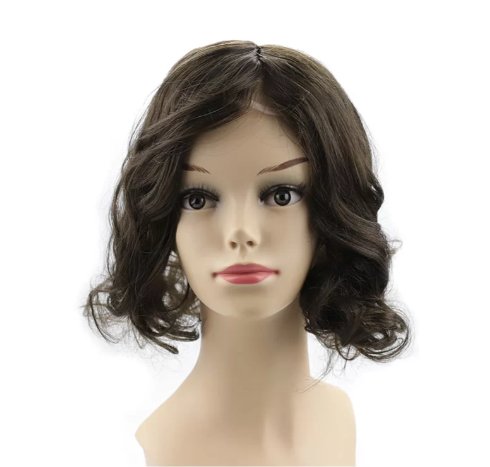
A good wig should look like real hair, feel comfortable after hours of wear, and hold up through washing, styling, and daily life. That outcome is not luck. It comes from a production process that blends raw-material sorting, cap engineering, ventilation (knotting), and finishing work that can take dozens of labor hours for a single piece.
This guide breaks down the wig making process in a factory setting, with practical checkpoints used for both custom and stock orders.
Most manufacturers follow a tight route. Even when products differ (full wigs, toppers, or men’s hair systems), the workflow is similar: hair prep, cap build, ventilation, finishing, and inspection.
The table below shows what happens in each stage and what is commonly checked before moving forward.
Stage | What happens | Practical quality checks |
Hair intake & grading | Hair is sorted by length, direction, and condition | Cuticle alignment, tangling rate, true length consistency |
Cleaning & conditioning | Hair is washed, sanitized, conditioned, then dried | Shedding test after wash, smell/chemical residue check |
Color planning | Natural tones matched or dyed in controlled batches | Color consistency under daylight, water-fastness after rinse |
Cap/base building | Lace/mono/silk/skin bases are cut, shaped, reinforced | Edge strength, seam flatness, symmetry of base |
Ventilation (knotting) | Hair is tied strand-by-strand into the base | Knot security, density map accuracy, hairline graduation |
Hairline & part detailing | Front and part areas refined for realism | Knot visibility, direction control, part “scalp” effect |
Cut, style & finish | Hair is trimmed, blended, and lightly styled | Balance, movement, no blunt “helmet” shape |
Final QC & packing | Full inspection, then packed for shipping | Measurement match, density match, shedding and tangling check |
With that roadmap in mind, the next sections walk through each step in detail and show what separates a wearable wig from one that only looks good in photos.
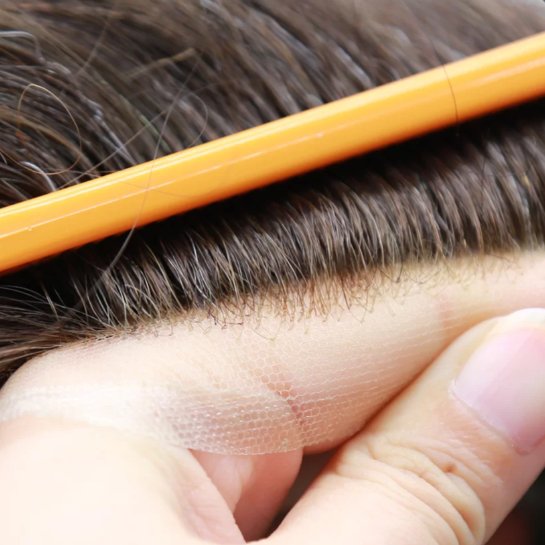
Human hair wigs start with grading. The goal is to keep hair flowing in one direction so strands don’t fight each other during brushing and washing. This is also why many buyers look up terms like remy hair vs virgin hair for wigs: cuticle alignment reduces tangling, while “virgin” usually refers to hair that has not been chemically processed.
In production, hair is sorted into narrow length bands, then aligned before any knotting begins. If direction control is missed early, even perfect ventilation later will not stop matting at high-friction spots like the nape, collar line, and crown.
A practical check used in human hair wig manufacturing is a quick comb-through test after bundling. If the bundle catches repeatedly at the same distance from the end, it often points to mixed direction or inconsistent lengths.
After sorting, hair is cleaned and conditioned in batches. This stage is not only about hygiene. It also reveals weak strands and hidden damage that can lead to shedding later.
A common factory routine includes controlled washing followed by a shedding test while the hair is still damp. Hair that loses too much at this stage is likely to shed even more once it is knotted into lace or mono.
A real-world scenario helps explain why this matters. Many wearers wash weekly and use heat tools a few times per month. That routine puts stress on the mid-lengths and ends. If the raw hair is already fragile, the wig can start looking thin in just a short period of normal use.
Cap construction is where a wig becomes wearable. Buyers searching lace wig production or hand-tied wig construction are often trying to understand why some bases feel cooler, some look more natural, and some hold tape better.
A simple way to compare cap types is by how they handle three things: breathability, scalp realism, and attachment options.
Base type | What it’s known for | Typical use cases |
Lace | Light, breathable, natural-looking hairline | Everyday wear, realistic front hairline |
Monofilament (mono) | Scalp tone can show through, flexible parting | Natural parting, comfort at the crown |
Silk top | Knots hidden for a scalp-like part | High realism at the part, low knot visibility |
Poly/skin (PU) | Strong perimeter, tape-friendly edge | Secure bonding zones, durable edges |
In custom builds, the base is often cut to a template and reinforced at stress points like the perimeter and attachment zones. In men’s systems and some topper designs, stronger edge materials can improve durability where tape or adhesive is used most.
Between the base and the ventilation, there’s a key connection: the base material determines how knots sit, how visible they are, and how the hair moves at the root. That’s why cap selection is not just “comfort vs looks.” It also affects longevity.
Ventilation (knotting) is the core of hand-tied work. Each hair (or small bundle) is pulled through the base and tied into place with a ventilating needle.
Different knot types serve different goals. Single knots can look lighter and less visible in delicate areas, while double knots add strength where durability matters. Some techniques create a softer hairline by controlling how the strand exits the base, making the front edge look less dense and more natural.
Density mapping matters here. A natural hairline is not a straight wall of thick hair. It is built with lighter density in the front, then gradually increases. If density is too heavy at the edge, the wig looks “wiggy” even if the hair quality is excellent.
In the workshop, ventilation checks usually focus on three things: knot security (does it slip when brushed), direction control (does hair fall where it should), and density accuracy (does it match the planned pattern).
Silk top wig construction is often requested because it hides knots at the part. Instead of seeing tiny knot points, the wearer sees a smooth, scalp-like area.
In practice, silk top finishing includes careful direction control at the part line so hair lays flat and doesn’t spring up. This is slow work, but it creates a clean “root look” without relying on heavy concealer or powders.
A common buyer concern is whether silk tops feel warm. The answer depends on design. Many factories balance this by limiting silk coverage to the part area and keeping surrounding areas breathable.
Color work in wigs is usually done in controlled batches for consistency. Buyers searching custom wig color matching tend to care about two things: how even the shade looks in daylight and how stable it is after multiple washes.
For lace fronts, some workflows include lightening knots at the hairline so knots look less like dark dots. Not every project uses this step, but the goal is the same: reduce visibility where the eye naturally focuses.
Color consistency is typically checked under neutral lighting and daylight tones. A shade that looks fine indoors can shift outdoors, especially with warm or cool undertones.
Once the hair is ventilated and colored, the wig is cut and shaped. The best finishing avoids a blunt outline. It adds movement, balances volume, and reduces bulk in areas where the cap already adds structure.
Consider a professional wearer who needs a camera-ready look under office lighting. Overly dense ends and an unnatural crown shape show up fast. Cutting and thinning at the right points fixes that without sacrificing fullness.
Finishing also includes a practical “reset” test: the hair is brushed, shaken, and repositioned to see whether it returns to a natural fall. If it behaves like a rigid shell, it usually needs better layering, density adjustment, or directional correction.
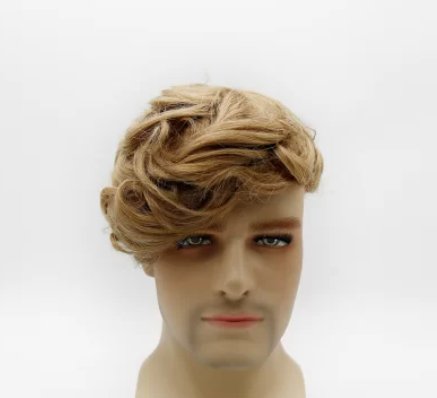
Timing depends on design, density, and how much hand work is required. Hand-tied construction is labor-heavy, and quality checks happen at multiple points.
A common planning range for custom builds is several weeks, especially when ventilation density is high or the base needs complex detailing. Simpler constructions can move faster, but realistic hairlines and refined parts take time because they rely on skilled handwork.
Qingdao Eminent Hair Products Co., LTD is a supplier focused on hair products such as men’s toupees, women’s wigs, toppers, and related hair replacement solutions. The company presents a production structure that combines an in-factory team with a broader network of skilled knotting workers, which reflects the labor needs of ventilation-based manufacturing.
For buyers, that kind of setup typically matters for three reasons: stable sampling for new projects, consistent repeat production, and the ability to handle different base constructions and hair requirements without frequent process changes.
Understanding how wigs are made helps buyers ask better questions and avoid surprises. Hair grading and cuticle alignment affect tangling. Cap materials shape comfort and attachment. Ventilation and knot choice decide realism at the hairline and durability over time. When these steps are handled with disciplined quality control, the final piece looks natural in real settings, not just in product photos.
The wig making process usually includes hair grading, washing and conditioning, cap construction, ventilation (knotting hair into lace/mono/silk), then cutting, styling, and final quality checks. This workflow is the backbone of modern human hair wig manufacturing.
Wig ventilation is the knotting process used to tie hair into the base with a ventilating needle. Different knot choices are used depending on whether the priority is a softer hairline look, stronger durability, or better direction control.
It depends on the base design, density, and how much hand work is required. Hand-tied pieces can take dozens of labor hours, and custom timelines are often planned across several weeks, especially for refined hairlines and detailed parts.
Silk top wig construction adds layered materials that hide knots under the parting area. That creates a scalp-like look at the part with less visible structure, which helps under bright or direct lighting.
Ask about cuticle alignment and hair direction control, request details on density mapping at the hairline, and confirm quality checks such as wash tests, shedding checks, and measurement verification against the template. These points link directly to realism, tangling behavior, and repeat consistency.
The quality of the products is the foundation of our existence!Customers'satisfaction is our permanent commitment!

Follow us on social media and find more about our hair procedures and for our latest news, photos and success stories.
TELEPHONE :+86-18765287179
WHATSAPP :+86-18765287179


© 2026 Qingdao Eminent Hair Products Co.,LTD. All Rights Reserved. Powered by HiCheng